Blogs | Great Lakes Kwik Space

Why Is a Rail Crossing Signal Important?

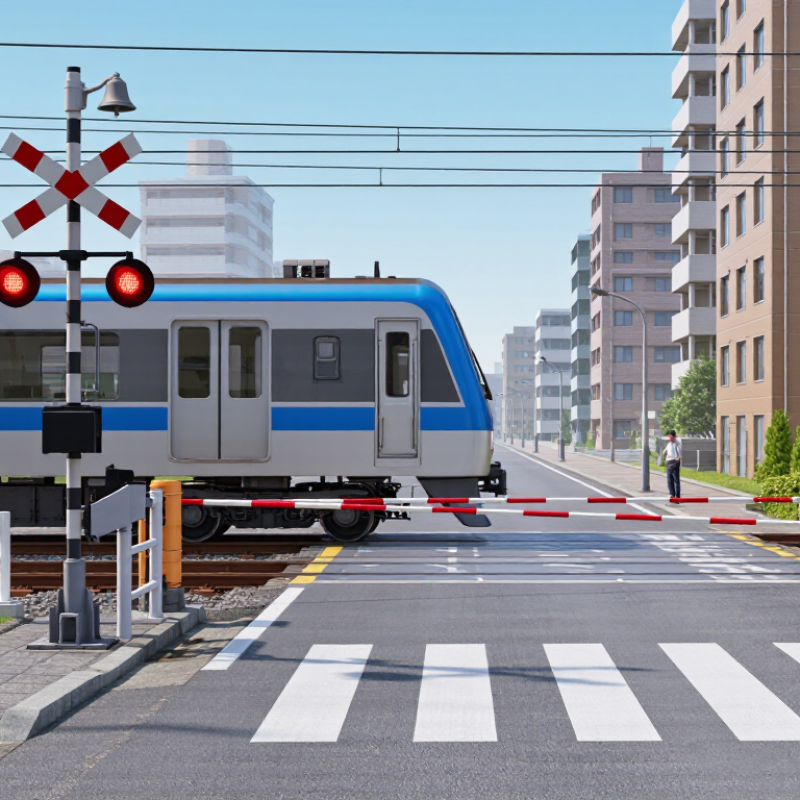
A Rail Crossing Signal is more than a flashing light beside the road. It is a coordinated warning system that protects drivers, pedestrians, train crews, and nearby communities. When lights flash, bells ring, or gates lower, the equipment communicates a simple message: a train may be approaching, and stopping is necessary. The warning can appear ordinary, even easy to overlook. That assumption can become dangerous.

Joseph C. Szabo, former Administrator of the Federal Railroad Administration, stated, “Rail grade crossing safety is a shared responsibility.” His words explain why reliable signals require more than advanced hardware. Rail operators must inspect and maintain the system. Road users must obey the warning. Engineers must design visible signs, clear sightlines, and dependable timing. A train cannot stop quickly, even when its engineer reacts immediately. Steel wheels, heavy cargo, and long braking distances create a serious physical limit.

Look closely at a working crossing. Red lights pulse against a windshield. A bell cuts through traffic noise. The gate moves downward, leaving little room for doubt. Still, technology is not magic. Signals can fail, visibility can suffer, and people can misjudge distance. That is where careful maintenance and responsible behavior matter most. A strong Rail Crossing Signal reduces confusion and gives people valuable seconds to make a safe decision. It does not replace attention. It supports it. Understanding this difference is essential for anyone exploring why crossing signals remain vital to modern transportation.
Why Is a Rail Crossing Signal Important?

Rail Crossing Signals Explained: Lights, Bells, Gates, and Track Sensors

Why Is a Rail Crossing Signal Important?

Rail Crossing Signals Explained: Lights, Bells, Gates, and Track Sensors

A rail crossing signal creates a clear warning before a train arrives. Red lights flash from both directions. Bells add an audible alert, especially when visibility is poor. Gates lower across the road and reinforce the message: stop before the tracks. According to the Federal Railroad Administration’s 2023 safety data, more than 2,000 highway-rail crossing incidents occurred in the United States, with over 250 fatalities. These figures show why each warning element matters.

Track sensors usually detect a train’s movement, direction, and distance from the crossing. The control system then activates lights, bells, and gates using a calculated warning interval. Some systems use track circuits, while others use electronic detection equipment. Engineers test these components regularly, checking battery condition, timing, visibility, and gate movement. A dark signal or damaged bell can change driver behavior within seconds. Small defects matter.

No system is magic. Weather, road layout, equipment faults, and driver impatience can still create risk. The National Transportation Safety Board has repeatedly emphasized reliable warning systems and better crossing design. Drivers should never drive around a lowered gate or assume a quiet track is safe. Wait. Look both ways. Listen carefully. FRA safety guidance also stresses keeping vehicles clear of the crossing, because a stalled vehicle can become an immediate hazard. A reflective review is necessary: warning technology improves safety, but human attention remains part of the system.

Why Is a Rail Crossing Signal Important?

Rail crossing signals combine track sensors, flashing lights, bells, and gates to warn road users before a train reaches the crossing. The sequence below shows the typical operating states; exact timing varies by crossing design, train speed, and local regulations.

Track sensors detect an approaching train, lights and bells provide visual and audible warnings, and gates block vehicles from entering the track area until the crossing is clear.

How Warning Systems Work Under FRA Operating and Timing Standards

Why Is a Rail Crossing Signal Important?

How Warning Systems Work Under FRA Operating and Timing Standards

A rail crossing signal gives people time to make a safe decision. Under FRA requirements in 49 CFR Part 234, many active warning systems must provide at least 20 seconds of warning before a train reaches the crossing. The system detects the train through track circuits or other approved equipment. Flashing lights, bells, and gates then activate in a planned sequence. Timing may change with train speed, track design, and local engineering conditions.

Constant-warning-time equipment helps maintain a predictable alert when trains approach at different speeds. Railroad personnel inspect, test, and maintain these systems under federal operating standards. A practical detail matters: the warning begins before the train occupies the road, not when the locomotive becomes visible. Still, timing is not perfect in every situation. Equipment faults, unusual train movements, or poor visibility can challenge public expectations.

Tips: Stop when lights flash or gates descend. Never drive around a lowered gate. Keep enough distance from the tracks. Watch for a second train. Report damaged signals promptly.

A quiet crossing can still be active. Some trains move slowly, while others arrive sooner than expected. The safest response is simple, but not always followed: wait until the warning system ends and the crossing is clearly open.

Why Signals Matter: FRA Records More Than 2,000 U.S. Crossing Incidents Yearly

Why Is a Rail Crossing Signal Important?

A rail crossing signal is more than a flashing light beside the road. Federal Railroad Administration records report more than 2,000 U.S. crossing incidents each year. That number shows why ordinary-looking crossings require serious attention. A train may seem distant, yet its speed and weight can make a safe decision difficult within seconds.

At a crossing, red lights warn drivers and pedestrians to stop before the marked line. Bells add an audible warning when traffic noise blocks the lights. A lowered gate provides a clear physical barrier. Never go around it. This sounds obvious. Yet impatience, poor visibility, and distractions still create dangerous choices. Wet pavement can hide painted lines, while darkness can make a train harder to judge.

Signals also support safer decisions when people follow them consistently. Drivers should slow down, scan both directions, and keep enough distance from the tracks. Pedestrians need to avoid crossing until every warning ends and the gate rises fully. Signal equipment can fail, however. A dark lamp, silent bell, or damaged gate deserves caution and a report to the responsible authority. Weather and maintenance matter too. Human judgment remains important. Maybe that is the uncomfortable part: even a reliable warning system cannot replace attention at the crossing.

How Gates and Flashing Lights Control Risk at Active Grade Crossings

Why Is a Rail Crossing Signal Important?

At an active grade crossing, gates and flashing lights create a clear warning before a train arrives. Red lights catch attention, even in rain, darkness, or heavy traffic. Bells provide another signal when sightlines are limited. The gate then blocks the road, guiding drivers and pedestrians away from the tracks. These devices do not stop a train. They control road users who may otherwise underestimate the train’s speed and distance.

A safe crossing depends on every part working together. Drivers should stop behind the marked line when lights flash or the gate lowers. They must wait until the gate rises and the lights stop completely. A train can approach from either direction, and another train may follow closely. The system is reliable, but it is not perfect. Weather, poor visibility, distracted driving, or a blocked view can still create danger. Never drive around a lowered gate, even when no train appears.

Tips: Keep a safe distance from the tracks and avoid stopping on them. If a vehicle stalls, leave it immediately and move away from the rails. Contact local emergency services or the crossing authority from a safe location. Do not assume a silent signal means the tracks are clear. A brief pause is safer than a rushed decision.

Why Is a Rail Crossing Signal Important? - How Gates and Flashing Lights Control Risk at Active Grade Crossings

Safety Dimension Typical or Standard Value How It Controls Risk Important Operating Note
Flashing warning lights Two red lights flash alternately when a train is approaching. Creates a conspicuous visual warning during both daylight and darkness. Drivers should stop whenever the lights are flashing, even if a train is not yet visible.
Audible warning bell An audible warning normally operates with the flashing lights and gate movement. Provides an additional warning for people who may not see the lights, including pedestrians and distracted drivers. Sound effectiveness can be reduced by traffic noise, vehicle windows, weather, or nearby buildings.
Warning gate A gate arm moves downward across the approach lane after the warning sequence begins. Provides a strong physical and visual cue that entering the crossing is prohibited. A lowered gate is not a barrier that can safely be driven around; vehicles must remain stopped.
Advance warning time At least 20 seconds is a common minimum design value in United States practice; local requirements may differ. Gives road users time to recognize the warning, stop, and clear the track area. Actual timing depends on train speed, crossing geometry, road traffic, and the applicable safety standard.
Gate sequencing Lights and bells activate before the gate begins to descend. Uses multiple warning stages instead of relying on a single visual signal. The gate is intended to be fully lowered before the train reaches the crossing.
Gate visibility Gate arms commonly use alternating red-and-white or similarly high-contrast reflective markings. Improves recognition of the gate in low light, rain, and other reduced-visibility conditions. Visibility can still be affected by snow, vegetation, parked vehicles, glare, or poor approach alignment.
Train stopping distance A long or heavily loaded train may require more than 1 mile to stop, depending on conditions. Explains why trains cannot normally stop for a vehicle that enters the track area too late. Stopping distance varies with train length, mass, speed, grade, braking performance, and weather.
Train visibility A train may be difficult to see or hear because of darkness, curves, vegetation, buildings, weather, or road noise. Active signals provide an early warning instead of requiring road users to detect the train themselves. Never assume that a quiet or apparently empty track is safe to cross.
Track clearance area The vehicle must be completely clear of the tracks and the surrounding crossing area before a driver proceeds. Prevents vehicles from stopping on the rails or becoming trapped between gates. Drivers should not enter unless there is enough space on the opposite side for the entire vehicle.
Fail-safe response A detected equipment fault is generally treated as a condition requiring attention and maintenance. Safety systems are designed to reduce the chance that an undetected failure will create a false sense of security. If a signal appears damaged or behaves unexpectedly, road users should stop and report the problem through the posted emergency contact method.
Driver response Stop at the marked stopping point or a safe distance from the nearest rail when lights flash, bells sound, or gates are lowering or down. Correct behavior converts the warning system into an effective separation between road traffic and trains. Do not drive around lowered gates, stop on the tracks, or proceed until the warning sequence has ended and the crossing is clear.

Note: Values shown are general operating characteristics. Exact warning times, equipment layouts, and driver requirements vary by jurisdiction, crossing design, and applicable railway-safety standards.

What Drivers Must Do Under MUTCD Rules When Signals Activate

Why Is a Rail Crossing Signal Important?

What Drivers Must Do Under MUTCD Rules When Signals Activate

A rail crossing signal warns that a train may be approaching, even when the tracks look clear. When red lights flash, bells sound, or gates begin lowering, drivers must stop. Under MUTCD rules, stop at the marked stop line. If no line exists, stop between 15 and 50 feet from the nearest rail. Keep the vehicle behind the gate and never drive around lowered barriers. A train can arrive sooner than expected. Its speed and distance are difficult to judge.

Remain stopped until the signals end, the gates rise fully, and the tracks are visibly clear. Check both directions before moving. If traffic has already placed you on the tracks, continue forward and clear the crossing immediately. Do not stop there. This detail is easy to miss during heavy traffic. It deserves serious attention.

Tips: Keep several car lengths between vehicles when possible. Avoid distractions near the crossing. If your vehicle stalls, leave it immediately and move away from the tracks. Contact emergency services using the crossing’s posted information, if available. Never assume one quiet crossing means a safe crossing. Conditions change quickly.

Highly Trusted Local Portable Storage Solutions Since 1990

Rob was always very honest and upfront about everything and took the time to explain everything I needed. 

Nayla gamez awesome

“highly recommended. They provided us with a great storage container with ontime services.”

Carlos Montano

“Bought a used container, its perfect, no leaks and in good condition.”

Dudley Pankoke

“Good service and prompt delivery. A great option for temporary storage at a decent price.”

Joe Ward

Portable Storage FAQ

CLICK HERE

Storage Container News

CLICK HERE

Join our mailing list to get the latest storage container inventory and offers