China has become a major production center for electric mobility, supported by mature supply chains and experienced engineering teams. This guide examines China’s leading Electric Scooter Ebike manufacturers through practical, evidence-based criteria. Product quality matters more than factory size. A polished website proves little.
The review considers battery management, motor performance, frame durability, braking systems, waterproofing, and production consistency. It also looks at factory experience, research capability, quality-control procedures, and after-sales support. Reliable manufacturers should provide clear specifications, traceable components, realistic delivery schedules, and useful warranty terms. Independent testing and recognized safety certifications can strengthen buyer confidence, but paperwork should be checked carefully. Claims are not evidence.
Real-world details often reveal more than brochures. A useful evaluation may include weld inspection, charger temperature, tire grip, folding-joint movement, and battery behavior during repeated hill climbs. Supplier communication also matters when specifications change. Small delays can expose larger management problems.
No manufacturer is perfect. Even respected suppliers may struggle with spare-parts availability, customization limits, or inconsistent batches. Buyers should compare samples, audit production records, and request current test reports before placing large orders. A single impressive demonstration cannot represent an entire shipment.
This introduction provides a practical framework for identifying capable Chinese manufacturers. It balances factory capability with customer risk, product performance, and long-term reliability. The strongest choice may not be the cheapest or the most famous. It should be the supplier that can repeatedly deliver safe, dependable, and clearly documented vehicles. That standard deserves careful questioning.
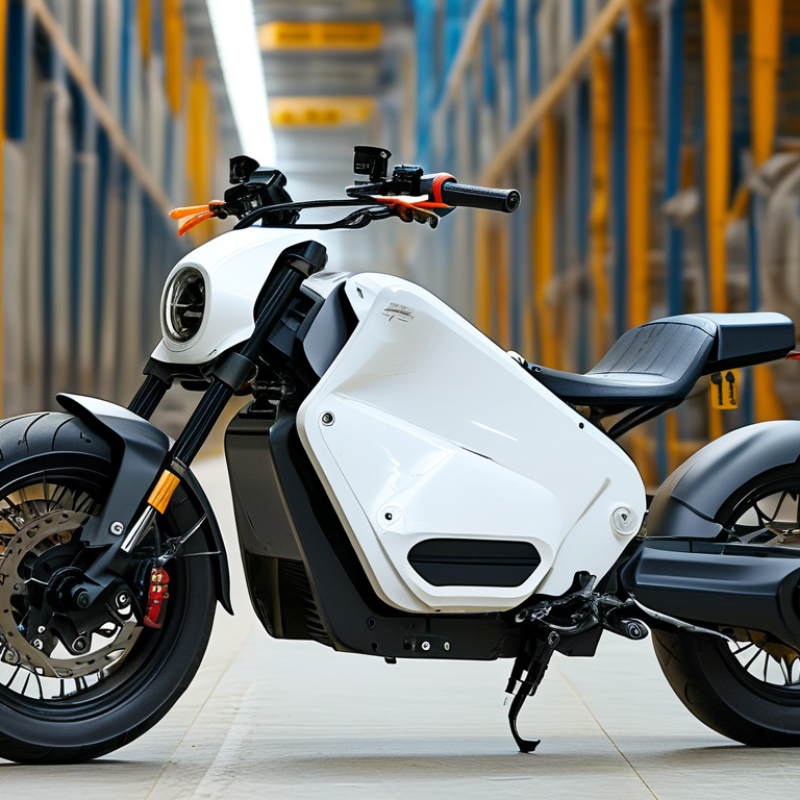
China’s electric scooter and ebike manufacturing base is built around scale, dense suppliers, and fast production cycles. The China Bicycle Association reported more than 40 million electric bicycles produced in 2023. That volume supports specialized factories for motors, battery packs, controllers, frames, and braking systems.
The supply chain is highly concentrated. A buyer can often source a welded frame, molded housing, display, and charger within one industrial cluster. This shortens sampling time and simplifies production adjustments. It also creates pressure. Fast output does not automatically mean consistent quality. Incoming inspection should check battery cells, connector sealing, weld strength, charger performance, and brake response.
The IEA’s Global EV Outlook 2024 identifies electric two- and three-wheelers as the world’s largest electric vehicle segment by stock, with China as the dominant market. This demand has encouraged manufacturers to improve automation, battery testing, and traceability. Many factories now record torque values, software versions, and end-of-line test results. Useful details matter: a scooter should survive wet roads, repeated curb impacts, and daily charging. Some suppliers still treat documentation as paperwork rather than engineering evidence. That weakness deserves attention. Product testing, certification planning, and after-sales parts availability should be evaluated before production begins.
China Top Electric Scooter Ebike Manufacturers
China’s electric mobility sector covers several practical categories. Urban scooters prioritize compact frames, quick folding, and predictable braking. Commuter e-bikes often use step-through designs, mid-range motors, and removable batteries. Cargo models need stronger rear racks, wider tires, and reinforced frames. Some products target rough roads, but marketing language can exaggerate capability.
Battery technology deserves careful attention. Lithium-ion packs remain common, while lithium iron phosphate offers improved thermal stability and longer cycle potential. A reliable battery management system monitors temperature, voltage, and charging balance. Motor choices also vary. Hub motors are simple and quiet, while mid-drive systems can improve hill performance and weight distribution. Torque sensors usually feel more natural than basic cadence sensors. Small detail, big difference.
In practical evaluations, range should be tested with rider weight, tire pressure, temperature, and gradients recorded. Claimed distance rarely matches every route. Frame welds, cable protection, brake cutoff response, and charger quality deserve physical inspection. Manufacturing strength is not only about production volume; it also depends on traceable components, repeatable testing, and documented quality control. Certification and local traffic rules must be checked before purchase or export. I would still question unusually low prices. They may reflect efficient sourcing, but they can also hide weaker cells, limited testing, or difficult after-sales support. Specifications look clean. Real roads are less forgiving.
Typical battery capacity by major electric mobility category. Values represent practical market ranges commonly used in Chinese urban mobility products and are shown as representative midpoints.
Battery capacity generally increases with vehicle weight, payload and expected travel distance. Lithium-ion battery packs, brushless hub or mid-drive motors, battery management systems and regenerative braking are common technology foundations across these categories.
Evaluating China’s leading manufacturers requires more than comparing catalog prices. The IEA’s Global EV Outlook 2024 identifies electric two- and three-wheelers as the most electrified road-transport segment. China remains a major production center. China Bicycle Association statistics for 2023 reported electric-bicycle output above 40 million units. Scale matters, but it can hide weak quality control.
Check the factory, not only the showroom. Ask for battery-cell traceability, BMS test records, water-resistance results, and charger certifications for your target market. Review ISO 9001 procedures, incoming-part inspection, weld consistency, and end-of-line testing. During a visit, inspect cable routing near the hinge, brake alignment, tire markings, and serial-number records. Request sampled units after vibration, charging, and thermal tests. A reliable supplier should explain failure rates and warranty returns with dated data. Vague answers are evidence too. Do not treat a polished sample as proof of stable production. That assumption often fails.
Tips: Build a weighted scorecard before negotiating. Give safety testing and after-sales support higher scores than color options. Confirm spare-part availability, repair manuals, response times, and local compliance documents. Ask for three customer references in similar climates. Keep one independent inspection before shipment. No process is perfect; even strong factories may miss a minor connector defect. Record it, correct it, and verify the next batch.
China’s leading electric scooter and ebike manufacturers operate across commuter, cargo, and fleet segments. Their strengths often include integrated frame welding, battery assembly, motor testing, and export packaging. The International Energy Agency’s Global EV Outlook 2024 reported more than 25 million electric two- and three-wheelers sold globally in 2023. China remained the largest production and consumption center.
Strong manufacturers usually show more than impressive factory photographs. They provide battery safety records, motor efficiency data, water-resistance tests, and traceable quality procedures. Factory visits often reveal practical details: torque-controlled handlebar assembly, barcode scanning, and separate charging rooms. These details matter during daily use. The China Bicycle Association has also highlighted continued growth in electric bicycle production and standardized component management. However, public figures can vary between reports, so buyers should verify shipment data and certification documents directly.
The most reliable profiles include evidence of engineering depth. Look for in-house controller calibration, sample durability testing, spare-parts planning, and clear warranty terms. Export experience is useful, but it does not automatically prove consistent quality. Some manufacturers still present annual capacity without explaining actual utilization. That gap deserves scrutiny. Field feedback from distributors can expose brake wear, loose connectors, or battery aging that laboratory brochures may miss. A careful profile should therefore compare factory evidence, independent testing, and real riding conditions before ranking any manufacturer.
| Manufacturer Profile Type | Primary Product Focus | Common Electrical Specifications | Battery and Charging Options | Typical Manufacturing Capabilities | Relevant Compliance Requirements | Suitable Buyer or Application |
|---|---|---|---|---|---|---|
| Urban E-Bike Specialist | City e-bikes, commuter bicycles, step-through frames, folding bicycles and utility models. | 36 V systems 48 V systems 250–750 W nominal motor options Hub-drive and mid-drive configurations may be available. | Removable lithium-ion battery packs, rear-rack batteries, downtube batteries and integrated frame batteries. Charging is commonly supplied through compact AC chargers. | Aluminum alloy frame production, welded-frame assembly, wheel building, wiring integration, paint finishing and finished-bike testing. | Export programs may require EN 15194 for applicable European EPAC products, CE-related conformity documentation and battery transport documentation. Requirements vary by market. | Urban mobility retailers, commuter-bike distributors, rental fleets and private-label bicycle programs. |
| Performance E-Bike Manufacturer | Mountain e-bikes, fat-tire e-bikes, trekking models, all-terrain bicycles and high-torque recreational products. | 48 V systems 52 V systems 500–1,000 W or higher configurations Larger tires, hydraulic disc brakes and suspension systems are commonly offered. | High-capacity downtube or dual-battery layouts, battery management systems, removable packs and optional fast-charging solutions. | Reinforced frame design, suspension integration, hydraulic brake installation, controller tuning, water-resistance testing and load testing. | Product classification, speed limits, lighting rules and power restrictions differ substantially between jurisdictions. Battery safety and charger documentation are essential for international sales. | Outdoor retailers, adventure-tourism operators, specialty dealers and distributors serving off-road users. |
| Electric Scooter Platform OEM | Commuter kick scooters, folding scooters, shared-mobility scooters and compact personal electric vehicles. | 36 V systems 48 V systems 250–800 W motor options Solid or pneumatic tires, electronic braking and mechanical backup brakes may be configured. | Stem-mounted, deck-mounted or removable lithium-ion battery systems. Battery capacity, range and charging time depend on rider load, speed, terrain and weather. | Die-cast or extruded aluminum deck production, folding mechanism assembly, motor-wheel integration, display installation and water-ingress testing. | Depending on destination, buyers may request EN 17128, applicable CE documentation, EMC testing, charger safety reports and battery transport certification. Local road-use rules must also be checked. | Micromobility operators, online retailers, last-mile transportation programs and private-label consumer-electronics businesses. |
| Heavy-Duty Scooter Manufacturer | Long-range scooters, dual-motor scooters, delivery scooters, seated scooters and commercial-use mobility platforms. | 48 V systems 60 V systems 72 V systems Higher-power drive systems, reinforced stems, larger brake assemblies and dual-motor layouts are common. | Large-capacity lithium-ion packs, dual-battery arrangements, external charging ports and programmable battery management systems. | Reinforced chassis fabrication, high-load testing, thermal evaluation, controller calibration, fleet-oriented spare-parts support and repairable component design. | Certification needs depend on vehicle category and destination. Buyers commonly request electrical safety, EMC, battery, charger and mechanical durability documentation. | Delivery companies, industrial campuses, rental fleets, security services and specialist performance distributors. |
| Folding and Portable Mobility Specialist | Folding e-bikes, lightweight scooters, compact commuter vehicles and products designed for car trunks, trains and apartments. | 24 V systems 36 V systems 250–500 W options Compact motors, small-wheel formats and low-weight frame designs are emphasized. | Removable battery cartridges, seat-post batteries, frame-integrated packs and compact chargers. Capacity is typically balanced against portability and total product weight. | Magnesium or aluminum alloy components, precision folding hinges, compact cable routing, lightweight wheel assemblies and portability testing. | Buyers should verify folding safety, pinch-point protection, battery transport requirements, charger conformity and destination-market speed regulations. | Commuters, travel retailers, apartment residents, corporate mobility programs and urban lifestyle distributors. |
| Cargo and Utility E-Bike Manufacturer | Long-tail cargo bikes, front-loader cargo bikes, delivery bicycles, tricycles and family-transport e-bikes. | 36 V systems 48 V systems 500–1,000 W configurations High-load frames, torque-focused drive systems and reinforced wheels are typical. | High-capacity removable batteries, dual-battery options, protected battery housings and chargers selected for frequent daily use. | Heavy-duty frame welding, cargo-box integration, reinforced forks, spoke and wheel-load testing, kickstand engineering and accessory mounting. | Payload limits, braking performance, lighting, reflectors, speed classification and commercial-use requirements must be assessed for each destination. | Parcel delivery operators, grocery services, family mobility retailers, campuses, farms and municipal programs. |
| Large-Scale OEM and ODM Integrator | Multi-category production covering e-bikes, scooters, batteries, chargers, displays, controllers and accessories. | Product platforms may support 24 V, 36 V, 48 V, 60 V and 72 V architectures, depending on vehicle type and target market. | Battery pack sourcing or assembly, customized enclosures, battery management integration, charger matching and batch-level traceability may be available. | Engineering design, tooling, prototype development, assembly lines, quality inspection, firmware configuration, packaging design and after-sales parts programs. | International buyers may request market-specific technical files, CE or other conformity documentation, EMC results, battery test reports, quality-system records and product liability support. | Established distributors, supermarket channels, international private labels, rental operators and buyers requiring multiple product categories. |
China Top Electric Scooter Ebike Manufacturers
Export requirements change sharply by destination. European buyers commonly request CE documentation, EN 15194 for eligible e-bikes, and EN 17128 for personal light electric vehicles. UK shipments may require UKCA or updated market-specific compliance evidence. North American projects often examine UL 2272 or UL 2849, depending on the vehicle and electrical system. These references are not interchangeable. Always confirm requirements with an accredited testing body before placing a large order.
Battery paperwork deserves close attention. Ask for UN 38.3 transport test records, safety data sheets, cell specifications, and battery management system details. Check whether reports identify the exact model, battery pack, and production site. A certificate alone proves little if the product has changed. That happens more often than buyers expect.
Purchasing decisions should include factory audits, sample testing, waterproofing checks, brake performance, charger quality, and spare-parts availability. Inspect welding points and cable protection in person. Request a clear warranty process, not only a warranty period. For export markets, confirm carton dimensions, pallet loading, customs documents, and applicable Incoterms. Keep a pre-shipment sample for comparison. It can reveal quiet changes in tires, controllers, or battery capacity. The cheapest quotation may become expensive after replacements, delays, and compliance problems. Yet even careful buyers can miss something. Independent inspection remains worthwhile.
Rob was always very honest and upfront about everything and took the time to explain everything I needed.
“highly recommended. They provided us with a great storage container with ontime services.”
“Bought a used container, its perfect, no leaks and in good condition.”
“Good service and prompt delivery. A great option for temporary storage at a decent price.”

Join our mailing list to get the latest storage container inventory and offers