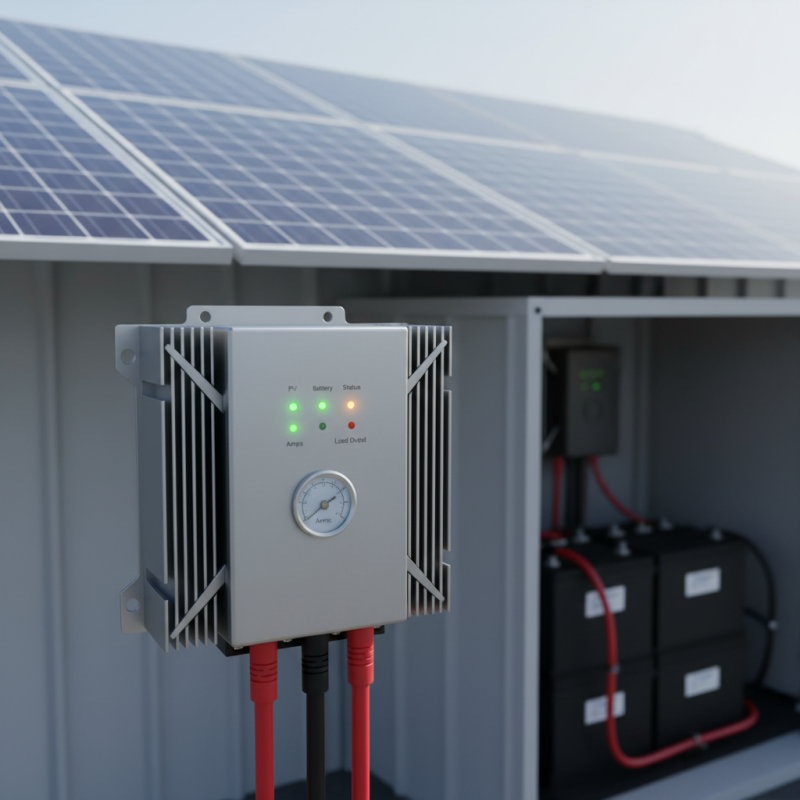
Why Do You Need a Solar Charge Controller for Your System?
A Solar Charge Controller is an essential component in any solar energy system. This device regulates the voltage and current coming from solar panels to the batteries. With the growing popularity of renewable energy, understanding its role becomes crucial.
Without a proper Solar Charge Controller, batteries can easily overcharge or discharge too deeply. This can lead to reduced lifespan and efficiency. A high-quality controller protects your investment. It ensures safe and efficient energy storage.
Many users overlook the importance of this device. They might think it’s an extra cost. However, in reality, it can prevent costly damage. Choosing the right Solar Charge Controller requires knowledge. Factors such as system voltage, current rating, and features should be considered. Ultimately, a well-selected controller enhances system performance and reliability.
Understanding Solar Charge Controllers and Their Purpose
Solar charge controllers are critical components in any solar power system. They manage the flow of energy from the solar panels to the batteries. By regulating voltage and current, they prevent overcharging and deep discharging, which can damage batteries.
When the sun is shining, solar panels generate energy. Without a charge controller, this energy might overload the battery system. A reliable controller ensures optimal performance. Additionally, it improves battery life and overall system efficiency.
Many systems may overlook this component. Some users believe that the battery alone is enough. However, neglecting a charge controller can lead to reduced efficiency and costly repairs. It’s essential to recognize its importance for a sustainable solar setup.
The Role of Solar Charge Controllers in Energy Management
Solar charge controllers play a crucial role in energy management for solar systems. They regulate the voltage and current coming from solar panels to batteries. This ensures that batteries are charged efficiently and prevents overcharging. A well-functioning solar charge controller can extend battery life significantly by preventing excessive discharging and overvoltage.
Tip: Regularly check your charge controller settings for optimal performance. Even slight misconfigurations can lead to reduced efficiency in energy management.
These controllers also help protect against electrical hazards. They manage the flow of energy, reducing risks of short circuits or system failures. By monitoring system performance, they provide valuable data on energy generation and consumption.
Tip: Keep an eye on the temperature of your charge controller. Overheating can cause potential damage and reduce its lifespan.
The integration of a solar charge controller helps with energy efficiency. It not only protects your equipment but also maximizes the use of solar energy. Managing energy wisely leads to better sustainability. Remember that even small adjustments can have a significant impact. Regular maintenance and monitoring create long-term benefits for any solar setup.
Key Benefits of Using a Solar Charge Controller in Your System
Solar charge controllers play a crucial role in ensuring the efficiency and longevity of solar power systems. They regulate the voltage and current coming from solar panels to batteries. According to a recent report by the National Renewable Energy Laboratory, properly installed charge controllers can increase battery lifespan by up to 30%. This means less frequent replacements and greater performance overall.
Using a charge controller protects against overcharging and deep discharging. Overcharging can degrade batteries, leading to costly replacements. Deep discharging can severely shorten the battery life. A well-chosen charge controller helps maintain optimal charge levels and improves overall system reliability. This is particularly vital as systems scale up in size and complexity.
Tip: Regularly monitor your system's performance. Adjustments may be needed over time, even if everything seems fine.
Another benefit is enhanced safety. Charge controllers include built-in protections that mitigate risks associated with shorts and surges. Data from the Solar Energy Industries Association shows that systems with reliable charge controllers see fewer operational failures. Such information highlights their value in safer, more enduring solar systems.
Tip: Invest in a controller with smart features. These can offer analytics and real-time monitoring, helping maintain efficiency.
How to Choose the Right Solar Charge Controller for Your Needs
Choosing the right solar charge controller can significantly impact your solar system's efficiency. Understanding the types available is essential. There are two main types: PWM (Pulse Width Modulation) and MPPT (Maximum Power Point Tracking). Each has its advantages and drawbacks.
PWM controllers are simpler and usually less expensive. However, they have limitations on efficiency. They are suitable for smaller systems and lead-acid batteries. MPPT controllers offer higher efficiency, especially in varied sunlight conditions. They can adjust the voltage and current to optimize energy capture. This makes them ideal for larger setups and lithium batteries.
Consider your energy needs and budget when making a choice. Calculate the total wattage of your solar panels and energy consumption. A mismatch can lead to underperformance. Also, ensure the controller can handle your system's voltage. Many users overlook these details, resulting in less efficient setups. Taking the time to select thoughtfully can lead to better solar performance and long-term reliability.
Common Features and Specifications of Solar Charge Controllers
Solar charge controllers are essential for managing the power generated by solar panels. They regulate voltage and current, protecting batteries from overcharging and excessive discharging. This ensures longevity and efficiency in energy storage systems. An industry report indicates that a properly installed solar charge controller can extend battery life by 20% to 30%.
Common features of solar charge controllers include MPPT (Maximum Power Point Tracking) and PWM (Pulse Width Modulation). MPPT controllers maximize energy harvest by optimizing voltage and current. They are more efficient and suitable for larger systems. PWM controllers are simpler and cheaper, ideal for smaller setups. Understanding the specifications helps in selecting the right controller for your solar system.
Tips: Always check the voltage rating. It should match your solar panel's output. Ensure the controller has adequate current capacity to handle peak loads. Remember, not all systems need sophisticated controllers. Sometimes, a basic model suffices. Researching and comparing these features will lead to smarter investments in your solar infrastructure.