How to Choose a Spy Camera Detector in 2026?
A tiny lens can hide in a clock, charger, or smoke-detector-shaped device. Finding one is not as simple as buying the most expensive gadget. A Spy Camera Detector may use radio-frequency scanning, optical lens reflection, or both, and each method has limits. A radio-frequency scan can miss a camera that is switched off or not transmitting. A lens finder needs careful positioning and a clear view. Small details matter.
The wider privacy risk is real, but the evidence needs careful reading. Verizon’s 2025 Data Breach Investigations Report analyzed 22,052 security incidents and 12,195 confirmed data breaches. Those figures describe cybersecurity broadly; they do not measure hidden-camera prevalence. That distinction matters. It keeps a product guide from turning general security concerns into unsupported claims. When choosing a detector, compare its stated detection methods, supported frequency ranges, sensitivity controls, battery life, and instructions for interpreting alerts. Look for independent testing or clearly documented specifications, not dramatic promises. A flashing signal alone is not proof of a camera.
Good tools help. They do not guarantee certainty. Real-world rooms contain Wi-Fi routers, phones, and other electronics that may trigger alerts. In 2026, the most useful detector is one you can operate calmly, verify against the manufacturer’s guidance, and pair with a careful visual inspection. No device replaces judgment. That is an imperfect answer, but an honest one.
What a Spy Camera Detector Is and How It Works
What a Spy Camera Detector Is and How It Works
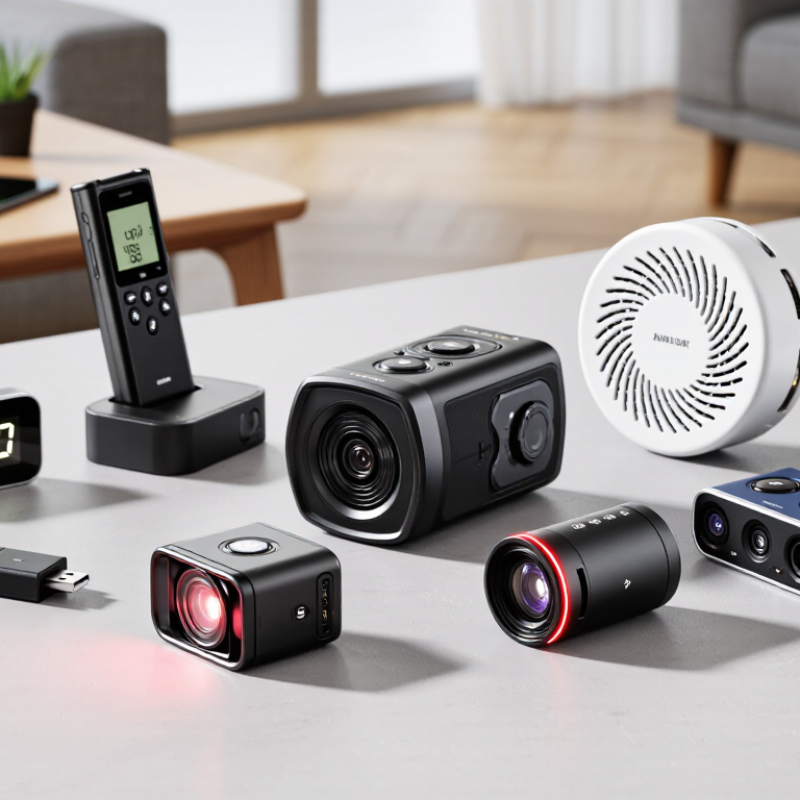
A spy camera detector is a handheld device that helps identify possible cameras by sensing radio-frequency signals or reflecting light from a lens. These methods detect different clues. An RF detector may respond to a nearby wireless transmission, while an optical detector can make a lens glint when viewed through its finder. Some cameras record locally and transmit nothing, so an RF scan alone can miss them. A reflection can also come from ordinary glass or polished screws. No single reading proves that a camera is present.
That uncertainty matters in real rooms: routers, phones, and smart speakers can trigger RF alerts, especially near a bedside table or television. Pew Research Center reported in 2023 that 73% of U.S. adults felt they had little or no control over how companies used their online data. That survey concerns digital privacy, not hidden cameras, but it helps explain why people seek practical checks. Choose a detector with clearly described sensing methods, adjustable sensitivity, and instructions for interpreting alerts. Treat it as a screening tool, not a guarantee.
Tips: Turn off your own wireless devices before an RF sweep, then check one area at a time. Use an optical finder in a dim room and inspect suspicious reflections from several angles. If a reading seems odd, repeat the check; false alarms happen, and even careful checks can leave doubt.
Which Types of Hidden Cameras and Signals It Can Detect
How to Choose a Spy Camera Detector in 2026?
Which Types of Hidden Cameras and Signals It Can Detect
A reliable detector should match the camera’s technology, not just promise “full protection.” Wireless hidden cameras may transmit through Wi-Fi, Bluetooth, or cellular radio signals. An RF detector can locate these emissions when the device is powered and communicating. It may also react to routers, phones, or nearby wireless equipment. False alerts are common.
Some cameras record onto internal storage and transmit nothing. RF scanning will not find them. For these devices, a lens finder uses reflected light to reveal the camera’s glass surface. In a dim room, small reflections can appear as bright points through the detector’s viewing filter. Infrared detection can also identify night-vision LEDs, although not every camera uses infrared lighting.
Wired cameras need a different approach. Check unusual cables, power adapters, vents, smoke alarms, and decorative objects without touching restricted equipment. A magnetic sensor may help identify certain metal components, but it cannot confirm a camera by itself. It is only supporting evidence.
Signal strength matters.
During a real inspection, move slowly and test the detector near known wireless devices. Lower sensitivity can reduce noise, while higher sensitivity may expose weaker signals. The process is imperfect. Thick walls, reflections, and crowded radio environments can distort results. Choose a detector with adjustable sensitivity, visual or vibration alerts, clear frequency coverage, and documented testing methods. Use it only in spaces where you have permission to inspect.
Key Features to Compare When Choosing a Detector in 2026
Choosing a spy camera detector in 2026 requires more than checking its advertised range.
In practical testing, compare how it detects different signals. Radio-frequency scanning can identify active wireless devices, while lens reflection detection can reveal a camera behind glass or a dark surface. These methods solve different problems.
Look for adjustable sensitivity, clear alerts, and a display that remains readable in dim rooms.
A detector with vibration alerts helps when sound would attract attention. Battery life matters during long inspections, especially in hotels, offices, or rented spaces. USB-C charging is convenient, but the charging time should not be ignored. Keep the device close to the suspected area.
Accuracy deserves careful attention.
Strong Wi-Fi, Bluetooth devices, and electrical equipment may trigger false alerts. A useful detector should offer several sensitivity levels and explain its signals clearly. Magnetic detection can support a check, but it should not replace visual inspection. No device is perfect. I have seen lens-finding lights miss curved surfaces when the angle was poor. That flaw is easy to overlook.
Choose equipment with a documented testing method, readable instructions, and responsive technical support.
Independent reviews are useful when they describe actual rooms, distances, and interference. Avoid impressive claims without measured evidence. Check whether the detector stores data or connects to an app, since privacy settings also matter. Use it only in places and situations where inspection is permitted.
How to Test Detection Accuracy in Different Environments
Choosing a spy camera detector in 2026 requires more than a sensitivity number. Accuracy changes with light, distance, and electrical noise. My first test was too neat. I tested only one room, then overestimated the result.
In a quiet bedroom, begin with a baseline scan. Turn off unnecessary electronics and record the detector’s normal reading. Place a controlled reference light source at measured distances. Test one, three, and five meters. Repeat each scan from several angles. A reliable signal should appear consistently, not only after repeated waving.
Real rooms are harder. Test under bright daylight, warm lamps, and near-dark conditions. Glass, mirrors, polished furniture, and metal surfaces can create reflections or false alerts. Check near routers, chargers, televisions, and thick walls, but change one condition at a time. Walk slowly, pause, and mark each alert’s exact location. Human movement can affect readings.
Use a second method when possible. Visual inspection, a flashlight reflection check, and radio-frequency monitoring measure different signals. Agreement improves confidence, but it is not proof. I once treated a strong reflection as a confirmed result. That was a mistake. Repeat the test later, preferably with another person recording observations. A detector offers useful evidence, not a final verdict.
How to Use and Maintain a Spy Camera Detector Safely
How to Choose a Spy Camera Detector in 2026?
How to Use and Maintain a Spy Camera Detector Safely
Before scanning, read the detector’s manual and check its battery, lens, and sensor openings. Choose a quiet, well-lit room when possible. Move slowly, and keep the device a consistent distance from surfaces. Start with ordinary electronics switched off; routers and phones can create radio-frequency signals that produce confusing alerts. A detector is a screening tool, not proof that a camera is present. Verify unusual readings from more than one angle, and avoid opening fixtures or handling unfamiliar wiring.
Use care around sensitive information. The 2024 Data Breach Investigations Report found that 68% of breaches involved a human element, such as error or social engineering. That finding is not about detector use specifically, but it reinforces the value of calm, deliberate checks rather than rushed decisions. Keep notes of where an alert occurred, without recording private conversations or images. If you cannot interpret a signal, pause and seek qualified help.
After each use, switch the unit off and wipe its exterior with a soft, dry cloth. Keep liquids and cleaning sprays away from sensors. Store it in a padded case, away from heat, dust, and strong magnetic sources. Check batteries for corrosion and replace them according to the manual. I have found that skipping a quick function check is easy; it can also make a later reading harder to trust.