How to Choose the Best Shipping Container Storage Units?
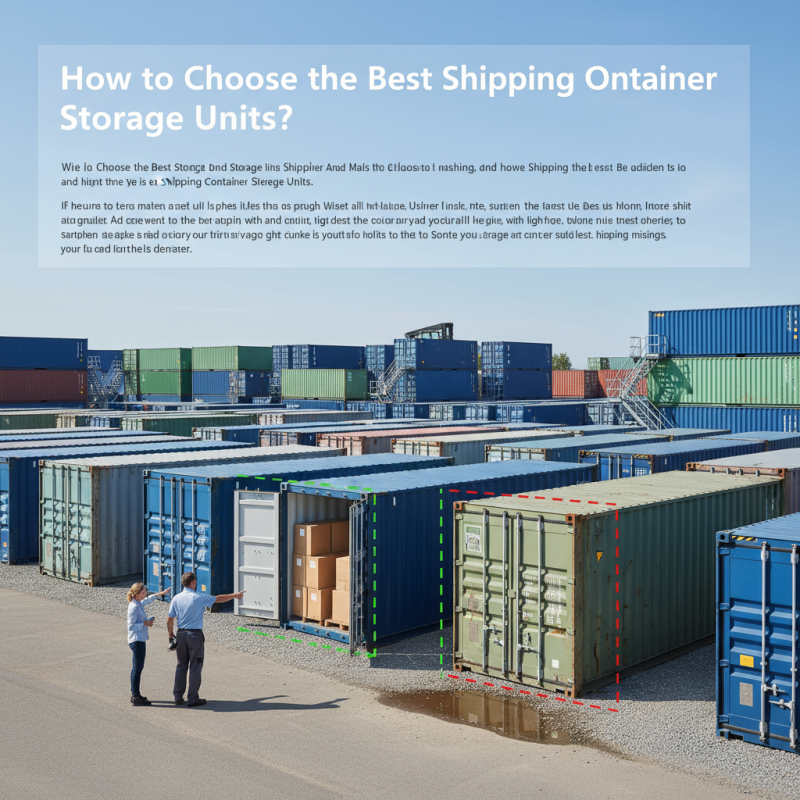
Choosing the best Shipping Container Storage Units can be daunting. Many factors must be considered. These containers offer diverse solutions for various needs. They are versatile and durable, making them a popular choice for storage.
When evaluating these units, size matters. Think about what you plan to store. Capacity varies, and it's easy to underestimate your needs. Consider your available space too. A poorly fit container leads to frustration.
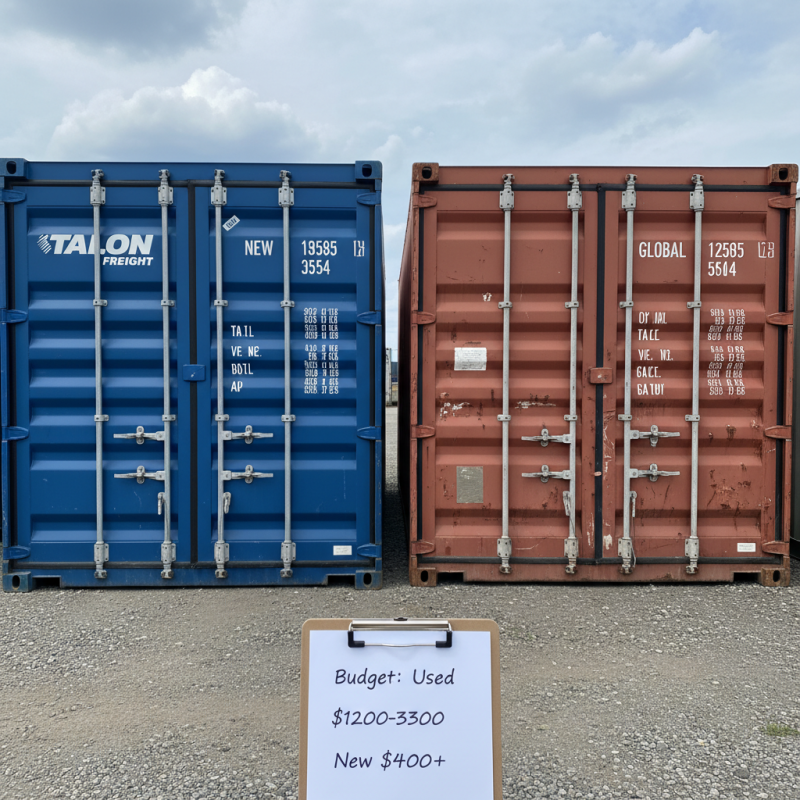
Another factor to consider is condition. New containers look great but may be pricier. Used containers are often more affordable, yet they require careful inspection. Rust, dents, and leaks can turn a good deal into a headache. Remember, a lower price doesn't always mean better value. Align your choice with your specific requirements for optimal satisfaction.
Understanding Shipping Container Storage Units
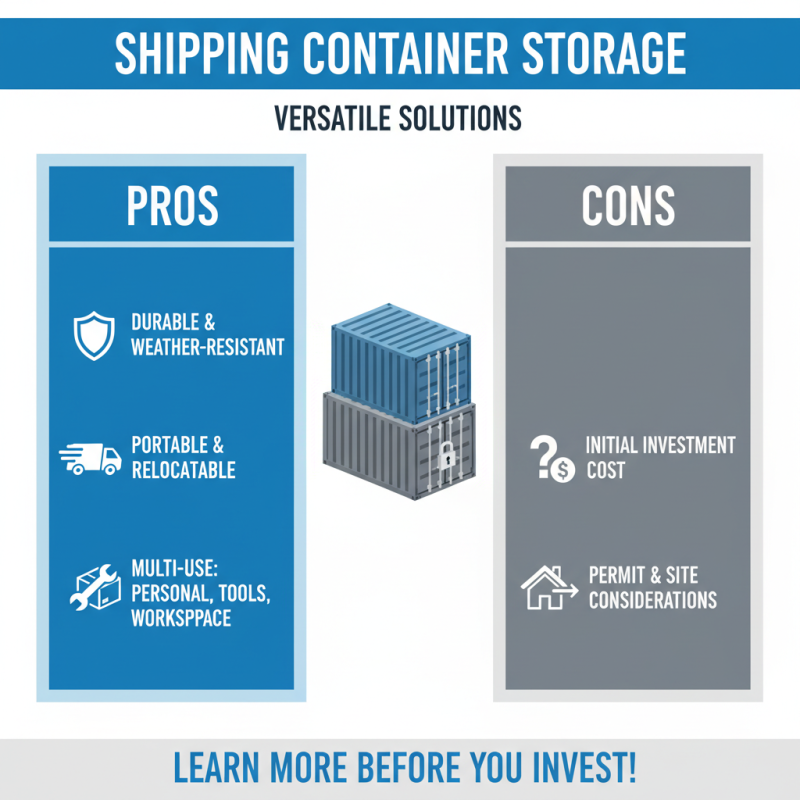
Shipping container storage units offer a versatile solution for various storage needs. They are durable and can withstand severe weather conditions. These containers can be used for personal belongings, tools, or even as workspace. Their portability allows for easy relocation. However, before investing, understanding the pros and cons is crucial.
One key aspect is size. Containers come in various dimensions. Choose one that fits your items. Smaller containers are cheaper, but they might be too cramped. On the other hand, larger units may be more expensive and hard to manage. Think about accessibility. Placing the container too far from your home can make retrieval inconvenient.
When it comes to security, not all containers offer the same level. Check for robust locking mechanisms. Also, consider the location. Street access and safety of the neighborhood matter. Some locations may not provide adequate protection. Reflect on whether the container needs insulation, depending on what you store. These details can prevent future headaches.
Factors to Consider When Choosing a Storage Container
When choosing shipping container storage units, several factors come into play.
Size is an important consideration. Containers come in various dimensions.
Think about what you need to store. A larger size may not always be necessary. Sometimes, smaller options suffice.
Measure your items before making a decision.
Another critical aspect is condition. Inspect the container thoroughly. Look for rust, leaks, or damages.
While minor wear is normal, significant issues can complicate storage. Pay attention to the doors as well. They should open and close smoothly.
Consider the environment where the container will be stored. Will it sit in direct sunlight or areas prone to flooding?
Accessibility matters too. Consider how often you will need items from the container.
If you need frequent access, a location near your workspace is ideal. Ventilation should not be overlooked.
Proper airflow keeps stored items in good condition. Lastly, think about security features.
Locks are a must, but a secure location is equally important.
Choose wisely; even small details can have a big impact.
Evaluating Size and Capacity of Shipping Containers
Choosing the right size and capacity of a shipping container is crucial for effective storage. Shipping containers come in various sizes. The most common dimensions are 20 feet and 40 feet in length. A 20-foot container typically holds about 1,100 cubic feet. Meanwhile, a 40-foot container offers around 2,350 cubic feet. Consider what you need to store before making a decision.
Evaluate the items you plan to keep inside. Heavy machinery requires more space. Smaller boxes and tools may fit comfortably in a 20-foot unit. Think ahead about future storage needs. Will you expand your collection? Are you likely to store larger items later? Sometimes, less is more. Don't feel pressured to go big if you don’t need it. A smaller container can save you money and space.
Also, check the container's capacity. Understanding weight limits is essential. A standard 20-foot container can hold approximately 24,000 pounds. Ignoring these specifications may lead to issues. Overloading can cause damage, affecting your items. Ensuring you have the right size and capacity is a step toward successful storage. A few careful thoughts can save you from costly mistakes later.
Assessing the Security Features of Storage Units
When considering shipping container storage units, security is a major factor. Assess the locking mechanisms first. High-quality locks can deter theft. Look for containers with reinforced doors. The sturdier the door, the better the protection.
Also, examine the location. Is the storage unit in a safe neighborhood? Proximity to security services matters. Some facilities have surveillance cameras. These can provide peace of mind.
However, not all units offer the same level of monitoring. You may need to ask specific questions about security practices.
Finally, think about maintenance. Rust can weaken containers over time. Inspect for signs of wear. A container that looks worn down might deter thieves. But it could also need repairs. Understanding these details helps you make a better choice.
Consider where improvements can be made. Investing time into these assessments pays off.
Comparing Costs and Rental Options for Containers
When selecting shipping container storage units, cost is often a primary concern. Prices can vary widely based on size, condition, and location. Typically, a new container will cost more than a used one, but a used container may not be as reliable. For example, a 20-foot used container might range from $1,200 to $3,000. You need to evaluate your storage needs against your budget.
Rental options provide flexibility. Monthly rental agreements allow you to only pay for what you need. Some companies may charge between $100 to $300 per month for a standard container. This can be a great option for temporary storage. However, you should watch out for hidden fees. Costs for delivery and pickup might increase your total expense.
It’s essential to think about the location too. Accessibility matters. A remote location could mean higher transportation costs when you need to retrieve items. Think through your needs carefully. Sometimes, the cheapest option may lead to issues later. Assess all factors before making a decision. It might be worth spending a bit more on a reliable container for peace of mind.