What Are the Best Tungsten Carbide Welding Rods in 2026?
Choosing the best Tungsten Carbide Welding Rods in 2026 requires more than comparing prices or product photos. The right rod should match the base metal, wear condition, heating method, and repair environment. In practical workshop use, carbide particle size can strongly affect cutting performance and surface durability. Rod diameter also matters, especially when rebuilding narrow edges or protecting broad contact areas. Small details matter.
This guide examines carbide concentration, nickel or copper-based binders, brazing behavior, crack resistance, and coating consistency. It also considers manufacturer specifications, batch quality, storage conditions, and user feedback from demanding repair applications. Experienced technicians often inspect the finished bead under strong light. Uneven grit, excessive porosity, or weak bonding can reveal problems before service begins. These observations support a more reliable comparison than marketing claims alone.
Still, no single product is best for every job. A rod performing well on mineral wear may disappoint under impact or vibration. Laboratory hardness figures cannot fully predict field performance. That limitation deserves attention. The recommendations in this article therefore balance technical data with practical handling experience and realistic maintenance needs. Some conclusions may change as new formulations become available in 2026. Readers should verify current datasheets, safety guidance, and supplier credibility before purchasing. Careful selection saves rework, reduces downtime, and helps create a stronger, more consistent repair.
What Tungsten Carbide Welding Rods Are and How They Work
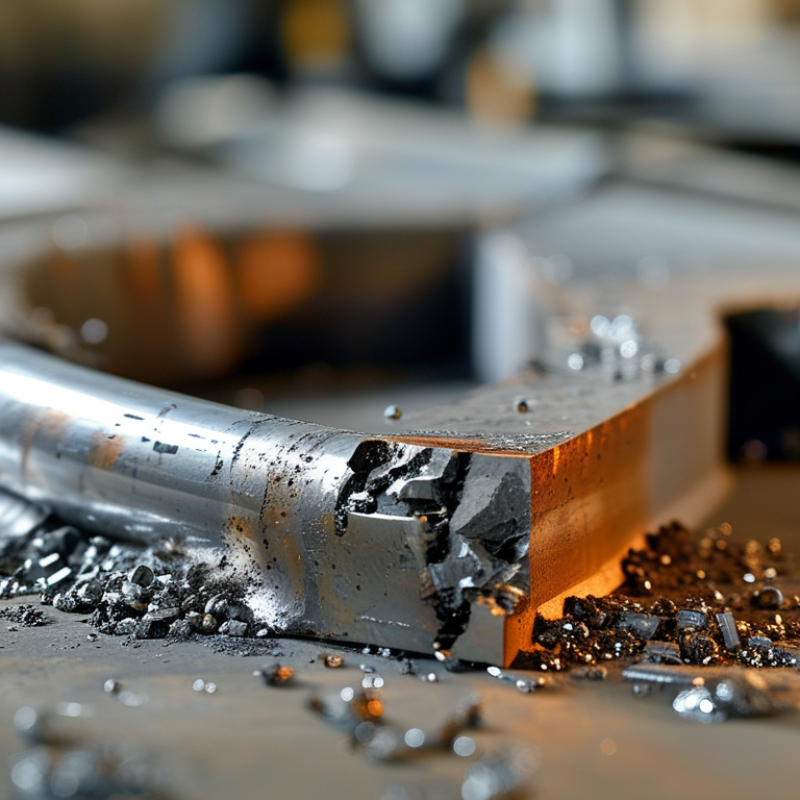
Tungsten Carbide Welding Rods are composite filler materials, not solid tungsten. They usually contain crushed tungsten carbide particles inside a nickel, copper, or brass-based matrix. During brazing or oxy-fuel application, the matrix melts first. Carbide grains then remain on the surface, forming a hard, wear-resistant layer.
Particle size changes the result. Fine grains create a smoother deposit, while larger grains improve resistance against severe sliding wear. The right choice depends on impact, abrasion, heat, and base-metal compatibility. The U.S. Geological Survey reported approximately 81,000 metric tons of global tungsten mine production in 2024. Its 2025 Mineral Commodity Summaries also identified tungsten as a critical industrial material. That supply pressure may influence rod costs in 2026. It should not replace testing.
Tips: Clean the joint thoroughly. Use controlled heat. Avoid overheating the carbide particles, because excessive heat can weaken the matrix and cause cracking. Check the manufacturer’s technical data, even when the chemistry appears similar. In field repairs, I have seen operators focus on hardness while ignoring impact loading. That is an expensive mistake. A softer matrix can sometimes survive shock better. The best rod is not always the hardest one. Evaluation should include deposit bonding, carbide distribution, dilution, and actual service wear. ASTM test methods can support comparison, but laboratory abrasion results may not fully match quarry, agricultural, or recycling conditions.
Key Properties That Define Rod Quality in 2026
What Are the Best Tungsten Carbide Welding Rods in 2026?
Key Properties That Define Rod Quality in 2026
Rod quality starts with the carbide itself. High-quality particles should show consistent size, sharp edges, and strong bonding with the metal matrix. Uneven particles can create weak spots, especially along a hardfaced cutting edge. Particle size also affects performance. Fine carbide supports smoother surfaces, while larger grains often improve resistance against severe abrasion.
The matrix alloy matters just as much. It must hold carbide particles firmly without becoming dangerously brittle during cooling. In workshop trials, rods with balanced cobalt or nickel-based matrices often produce more stable deposits. However, hardness alone can mislead buyers. Extremely hard deposits may crack under impact or thermal shock. Toughness deserves equal attention. That lesson is easy to overlook.
Heat control remains critical in 2026. A reliable rod should melt evenly and allow predictable wetting on the prepared base metal. Excessive fumes, irregular flow, or sudden spitting may indicate contamination or poor coating quality. Clean surfaces still matter more than many product comparisons admit. Even a premium rod can fail on oil, rust, or incorrect preheating. Certification, batch traceability, and clear application data also strengthen confidence. I once judged rods mainly by final hardness; field wear later proved that microstructure and adhesion were more important. Testing under the actual load remains the safer decision.
Main Types of Tungsten Carbide Welding Rods Compared
What Are the Best Tungsten Carbide Welding Rods in 2026?
Main Types of Tungsten Carbide Welding Rods Compared
The best tungsten carbide welding rod depends on wear conditions, heat, and the base metal. Cast tungsten carbide rods contain fused carbide particles in a metal matrix. Their sharp particles resist severe abrasion from sand, stone, and mineral dust. They work well on drill surfaces, cutting edges, and agricultural tools. However, their irregular particles may create a rougher deposit.
Sintered tungsten carbide rods use uniform carbide granules held in a tougher binder. They usually provide more consistent coverage and better impact resistance. This makes them suitable for parts facing both abrasion and repeated shock. Some rods combine carbide particles with nickel-based or copper-based matrices. Nickel-rich matrices often support corrosion resistance, while copper-rich options can improve fluidity during brazing. The choice is not always obvious. A harder deposit may crack sooner under heavy impact.
Tips: Match particle size to the job. Fine particles create smoother coverage, while coarse particles protect against aggressive abrasion. Clean the surface thoroughly, control heat, and avoid overheating the carbide. A short test weld can reveal poor wetting before valuable parts are damaged. Check the rod’s composition, recommended welding method, and service temperature from reliable technical data.
Performance, Safety, and Value Evaluation Criteria
What Are the Best Tungsten Carbide Welding Rods in 2026?
Performance, safety, and value should guide your choice of tungsten carbide welding rods. The best rod depends on the wear problem, base metal, and application temperature. Coarse carbide particles can resist severe abrasion, while finer particles often create smoother deposits. A strong matrix must hold the particles securely during impact and repeated heating. Check carbide distribution, rod diameter, melting behavior, and compatibility with your welding process.
Watch the heat closely. Excessive heat may dissolve carbide edges or weaken the bond. Clean steel, steady travel speed, and controlled preheating usually produce more reliable results. Protective clothing, a suitable welding helmet, gloves, and effective ventilation are essential. Grinding hardened deposits also creates fine dust. Use local extraction and respiratory protection recommended by current safety guidance. Small details matter.
Value is more than the purchase price. Compare service life, deposition consistency, repair time, and wasted material. Ask for composition data, batch traceability, application guidance, and independent test results. A supplier should explain limitations, not promise universal performance. I have seen a cheaper rod reduce downtime at first, then fail under sharp impact. That result changed the evaluation. Still, not every crack means immediate failure; crack patterns, spacing, and the working environment require careful inspection. Performance claims deserve practical testing on representative parts.