What Are the Best Cargo Containers Made in China?
Choosing the best Cargo Containers made in China requires more than comparing factory prices. It requires careful attention to structure, materials, manufacturing control, and long-term performance.
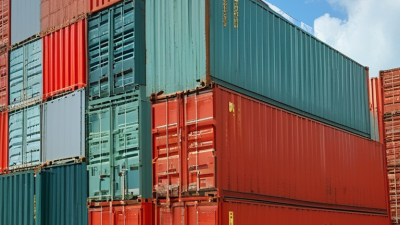
A reliable container should use weather-resistant steel, strong corner castings, secure locking bars, and clean, properly sealed floors. These details matter when containers face rain, salt air, heavy loading, and repeated handling. Experienced buyers should examine welding quality, door alignment, coating thickness, and drainage design. Small defects can become expensive problems later.
China has many established manufacturers serving construction, storage, logistics, mining, and offshore industries. However, supplier reputation alone is not enough. Buyers should request production photographs, material certificates, inspection records, and clear dimensional drawings. Independent inspections can verify whether the finished unit matches the approved specification. Factory visits offer stronger evidence, but they are not always practical.
Look closely.
The best suppliers usually explain their processes clearly. They can discuss steel grades, paint systems, customization limits, delivery schedules, and after-sales support without vague promises. Certifications may add confidence, but their relevance depends on the container’s intended use and destination requirements. A certificate should be checked, not simply displayed.
This guide compares common Cargo Containers from Chinese manufacturers through practical criteria, including durability, customization, safety, maintenance, and total ownership cost. Some buyers focus too heavily on the lowest quotation. That approach can be understandable, yet it may overlook repairs, delays, and replacement parts. No supplier is perfect, and even a well-designed container can fail when specifications are unclear or inspections are skipped. Careful questioning remains essential.
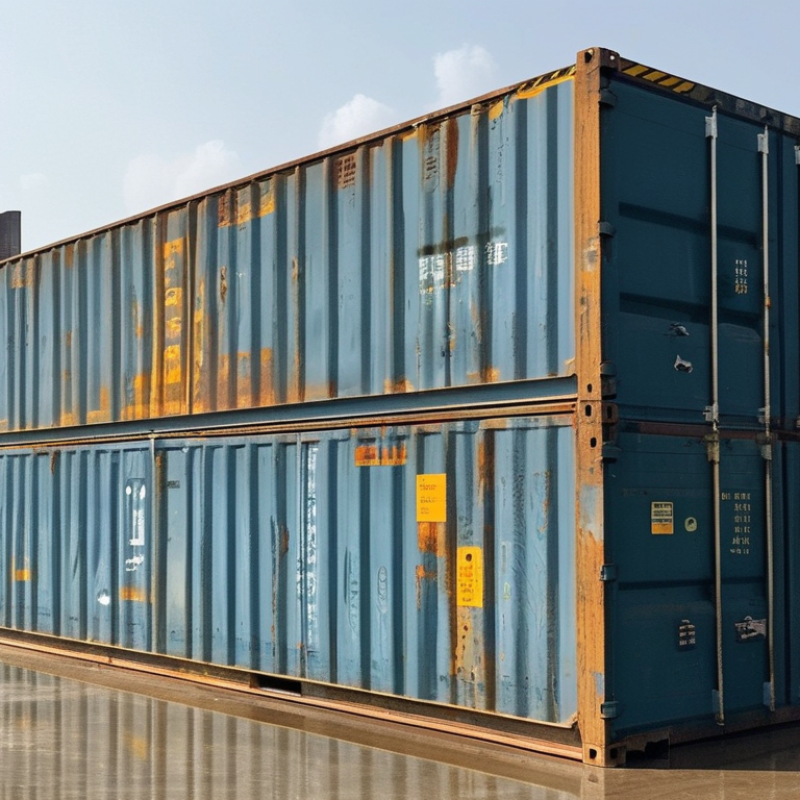
What Defines a High-Quality Cargo Container Made in China?
A high-quality cargo container made in China begins with properly specified steel. Weathering steel should have consistent thickness, clean surfaces, and traceable mill records. Check the corner castings closely. They carry lifting forces during handling and stacking. Poor alignment can create stress, even when the paint looks excellent.
Welding quality matters just as much. Continuous, even welds reduce water entry and structural weakness. Inspectors should examine roof seams, door frames, and floor supports under bright light. A practical test includes checking door operation, measuring frame diagonals, and spraying water around seals. Small gaps often reveal larger production problems. The floor should resist moisture, abrasion, and repeated loading from pallet equipment. A strong coating system also needs proper surface preparation, not just a thick layer of paint.
Reliable Chinese manufacturers provide dimensional reports, material certificates, coating records, and inspection photos. Independent pre-shipment inspections add useful distance between production claims and delivered reality. Sampling only one container may be insufficient for a large order. Production batches can vary. That point is easy to overlook. Quality also depends on clear drawings, agreed tolerances, and realistic loading requirements. No factory gets every detail perfect, so buyers should record defects instead of quietly accepting them. A container that looks sound at the port may still fail after months of vibration, salt air, and uneven handling.
Which Types of Cargo Containers Are Manufactured in China?
China manufactures a broad range of cargo containers for maritime, rail, and road transport. Standard dry van containers remain the most common type. They usually use corrosion-resistant steel, wooden flooring, locking bars, and sealed door gaskets. Common sizes include 20-foot and 40-foot units, with high-cube versions providing extra internal height.
Refrigerated containers are built with insulated panels, cooling systems, temperature sensors, and reinforced floors. They suit fresh food, medicines, and other temperature-sensitive cargo when properly qualified. Open-top containers have removable roofs for tall or awkward loads. Flat-rack containers use collapsible end walls and strong corner posts for machinery, steel products, and oversized equipment. Tank containers carry approved liquids and require careful inspection of valves, pressure systems, and internal materials.
China also produces bulk containers, platform containers, and customized units for construction or industrial transport. A professional buyer should check weld quality, floor loading, door alignment, paint thickness, and drainage points. Certification documents should match the actual unit, not only the sales description. Details matter. In factory inspections, small gaps around doors can reveal weak sealing or poor assembly. However, visual checks cannot confirm every structural issue. Independent testing may still be necessary, especially for refrigerated or tank designs. A lower price can hide thinner steel, weaker flooring, or limited spare-part support. This is where careful specifications become more valuable than attractive photographs.
How Are Chinese Cargo Containers Designed and Produced?
What Are the Best Cargo Containers Made in China?
How Are Chinese Cargo Containers Designed and Produced?
Chinese cargo containers are designed around strength, weight control, and repeated handling. Engineers begin with the container’s purpose, dimensions, loading pattern, and expected environment. Standard dry containers often use weather-resistant steel panels, reinforced corner posts, and hardwood or composite flooring. The floor must support concentrated loads, not only evenly distributed cargo. Door hinges, locking bars, and rubber seals receive close attention because small gaps can invite water. Design drawings are checked before cutting begins. This step prevents costly changes later.
Production usually combines automated cutting with skilled welding. Workers assemble the frame on jigs, then weld panels and corner fittings into position. Every weld should be inspected for cracks, weak penetration, and distortion. Surface preparation follows, including cleaning, blasting, primer, and protective paint. However, a bright finish does not prove structural quality. That is an easy mistake. Reliable factories measure dimensions, test door operation, inspect coating thickness, and check for light or water entry. Independent inspections can add useful confidence, especially for large orders. Documentation also matters. Material records, inspection reports, and loading tests make quality easier to verify.
Tips: Ask for steel specifications, weld inspection records, floor-load data, and coating details. Check a sample container before approving production. Small defects become expensive quickly. Even experienced buyers can overlook drainage design or uneven door seals, so a second inspection is worthwhile.
What Materials and Features Improve Container Performance?
The best cargo containers made in China are judged by materials, workmanship, and verified performance. Weathering steel is widely used because it balances strength, weight, and resistance to outdoor corrosion. However, steel quality alone does not protect cargo. A durable marine-grade coating, careful surface preparation, and sealed welds are equally important.
In practical inspections, I look closely at the corner castings, door frames, and locking bars. These parts receive heavy stress during lifting and stacking. Reinforced corner posts help containers remain stable under repeated handling. High-quality rubber gaskets keep out rain, dust, and salt air. A composite or treated hardwood floor can support concentrated loads, but its moisture resistance should be tested rather than assumed.
Ventilation openings reduce condensation, especially when containers hold temperature-sensitive materials. Some designs also use aluminum panels to reduce weight, though aluminum may need reinforcement in high-impact areas. The best specifications depend on the route, climate, and cargo weight.
Small details matter.
Manufacturing records, welding inspections, coating thickness tests, and load verification provide stronger evidence than attractive photographs. Buyers should request dimensional checks and door-seal testing before shipment. I have seen well-painted containers fail because water entered through an uneven frame. That experience is easy to overlook. No single material solves every performance problem, so a careful inspection remains essential.