Buying Cargo Storage Containers in 2026 requires more than comparing prices online. Buyers must examine construction, dimensions, ventilation, security, transport access, and long-term maintenance. A container may look sound in photographs, yet show rust beneath the floor or damaged door seals during inspection. Those small defects can become expensive operational problems.
John Fossey, a respected container equipment specialist at Drewry, has emphasized this practical principle: “The right container is the one that fits the cargo and the supply chain.” That idea guides this 2026 Top Cargo Storage Containers Buying Guide. Container selection should reflect the actual storage environment, not a generic checklist. A dry indoor warehouse may need different features from an exposed construction site. Coastal locations also demand closer attention to corrosion protection.
This guide compares new, used, refurbished, and specialized Cargo Storage Containers. It explains how to judge steel condition, flooring, locking bars, roof integrity, and airflow. Readers will also find practical notes about delivery clearance, ground preparation, inspection records, and ownership costs. Measure the site twice. It sounds obvious, but buyers still overlook turning space and crane access.
No buying guide is perfect. Product quality varies between suppliers, and market prices change quickly. Even experienced purchasers can focus too heavily on the unit price. We may overlook service response, repainting quality, or future relocation costs. Careful questions matter. A reliable purchase begins with evidence, a clear storage plan, and an honest assessment of daily use.
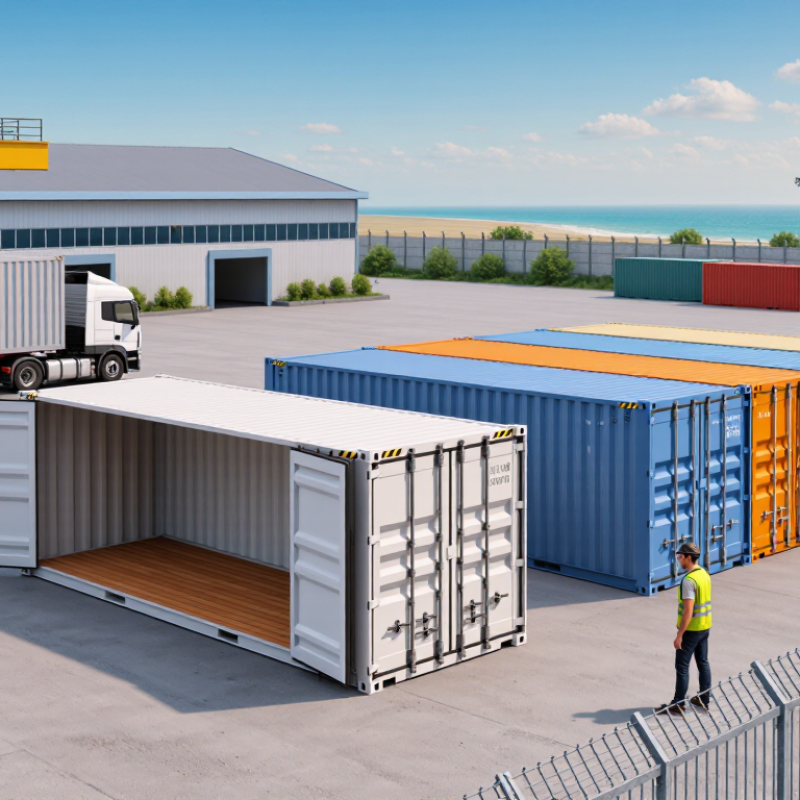
Cargo storage containers are standardized steel units designed to hold, protect, and move goods. They use corner castings, locking bars, and reinforced floors. Most dry units are 20 or 40 feet long, with dimensions governed by ISO 668:2020. This standardization lets cranes, trucks, rail wagons, and ships handle the same box with limited manual transfer.
The operating principle is simple. Workers load balanced cargo, secure it against shifting, and close weather-resistant doors. Twist locks connect the container to handling equipment or another approved unit. Ventilation openings can reduce condensation, but they cannot fix wet cargo packed inside. This is where real-world practice matters. Not always. A clean box may still fail if its floor is overloaded or its weight is poorly distributed. Check the identification plate, maximum gross mass, floor condition, door seals, and inspection markings before use.
Demand explains the container’s importance. UNCTAD’s Review of Maritime Transport 2024 recorded roughly 858 million TEUs in global container port throughput during 2023. That scale rewards repeatable dimensions and fast handling. Yet storage is not automatically safe. The World Bank’s Container Port Performance Index 2023 compared 405 ports, showing that handling efficiency varies widely. Buyers should match container type, access, ventilation, and local loading equipment to the job. One overlooked detail? A cheaper used unit may need more repairs than expected.
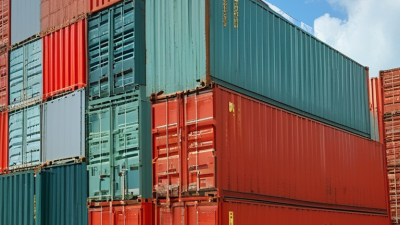
Choosing the right cargo storage container starts with the items you actually store. Measure the longest, widest, and tallest pieces, including pallets and handling space. A standard container may suit boxed goods, while a high-cube model gives extra height for shelving. Do not estimate. Measure twice. Also check door width, floor strength, ventilation, and the container’s documented load rating. These details often matter more than the advertised capacity.
Tips: Leave clear access near the doors. Use shelving that matches the floor and wall structure. For damp locations, choose ventilation features and inspect the roof, seals, and corners carefully. Steel containers usually provide strong security and impact resistance, but damaged coatings can develop rust. Aluminum is lighter and may resist corrosion, yet it can cost more and handle impacts differently. Your climate, moving equipment, and storage period should guide the material choice.
Container type also affects daily work. A side-opening design can help when workers need access to several pallets, while a standard end-opening model may be simpler and more affordable. Before buying, inspect welds, locking bars, hinges, floor boards, and previous repairs. Ask for condition records and delivery measurements. I have learned that a container can look excellent outside while hiding moisture damage inside. A careful inspection takes time, but replacing unsuitable storage usually costs more.
2026 Top Cargo Storage Containers Buying Guide
A cargo storage container should protect equipment from theft, rain, heat, and careless handling. In 2026, buyers should inspect construction details instead of trusting attractive specifications. Look for corrosion-resistant steel, reinforced corner posts, and doors with secure locking points. A recessed lock area can reduce tampering and protect the lock from impact. Check the door seals by closing them over a sheet of paper. If the paper slides out easily, the seal may need attention. Security starts with small gaps.
Weather protection depends on more than waterproof paint. A sloped roof helps rainwater drain instead of collecting above stored goods. Raised flooring can reduce contact with damp ground and improve air circulation underneath. Ask for documented information about coating quality, floor load ratings, and temperature performance. Inspect welds and roof joints closely. Even a new container can have weak finishing work. That is an uncomfortable possibility, but it deserves a careful check.
Easy handling saves time and reduces workplace strain. Choose containers with accessible lifting points, compatible forklift pockets, and clearly marked weight information. Door handles should operate smoothly while wearing work gloves. Ventilation openings can limit condensation, especially when temperatures change quickly. However, too much ventilation may allow dust or moisture inside. Measure the delivery path before ordering, including gates, corners, and overhead clearance. Many handling problems begin with poor planning, not poor equipment. Leave room for real-world mistakes.
Choosing a cargo storage container in 2026 requires more than comparing prices. Each option serves a different operating reality.
New containers offer clean interiors, consistent dimensions, and fewer repair concerns. They suit businesses storing sensitive equipment or planning long-term use. Used containers cost less, but inspection matters more than appearance. Check the roof for patches, doors for uneven movement, and floors for soft areas. A faint chemical smell may also require investigation. My early mistake was focusing on paint condition instead of door seals and drainage.
Rental containers provide flexibility for seasonal stock, construction materials, or temporary relocation. They reduce upfront spending and simplify removal later. However, monthly fees can exceed ownership costs when storage needs continue for several years. Ask about delivery access, damage responsibility, insurance, and contract renewal terms. Measure twice. Delivery problems are expensive.
Modified containers can include shelving, ventilation, lighting, insulation, or personnel doors. These improvements may create a better workspace, but they also increase weight, maintenance, and approval requirements. Confirm structural work with a qualified professional. Check local placement, fire safety, electrical, and transport rules before ordering. A customized unit can be highly practical, yet I would not assume every modification adds equal value. A simple shelf system may outperform an elaborate interior when inventory changes frequently. Records of inspections, repairs, and modifications improve reliability and support better purchasing decisions.
| Option | Typical Condition | Indicative 2026 Cost | Availability | Expected Service Life | Common Sizes and Capacity | Modification Potential | Best Suited For | Main Limitations |
|---|---|---|---|---|---|---|---|---|
| New Container | Factory-built, unused cargo container with minimal or no handling wear. | Approximately US$3,000–US$7,000 for a standard 20-foot unit; larger or specialized units cost more. | Usually good, but location, port supply, specification, and delivery distance affect lead time. | Often 15–25 years in storage use with proper maintenance; structural life can be longer. | Common external lengths: 20 ft and 40 ft. Standard external height: 8 ft 6 in; high-cube height: 9 ft 6 in. Typical internal volume: about 33 m³ for 20 ft and 67 m³ for 40 ft. | Excellent. Suitable for doors, windows, vents, insulation, electrical systems, shelving, and climate-control equipment when professionally engineered. | Long-term storage, construction projects, export cargo, and customized modular structures. | Highest purchase price; delivery, site preparation, lifting, permits, and modifications are additional costs. |
| Used Cargo-Worthy Container | Previously transported cargo and inspected for continued safe use. May have dents, scratches, surface rust, or repaired flooring. | Approximately US$1,500–US$4,500 for a standard 20-foot unit, depending on age, condition, and local supply. | Generally high in major logistics markets; exact dimensions, paint condition, and door configuration may vary. | Commonly 8–15 years of practical storage service after purchase, depending on corrosion, roof condition, and maintenance. | Available in 20 ft, 40 ft, and 40 ft high-cube formats. Maximum payload is commonly around 28,000 kg, but the rating plate always controls. | Good. Cutting or welding can require corrosion treatment, structural reinforcement, and inspection before use. | Cost-conscious storage, tools and equipment, agricultural supplies, and temporary project sites. | Condition is inconsistent; inspect doors, seals, floors, roof, corner posts, and previous repairs before purchase. |
| Used Wind- and Watertight Container | Suitable for stationary storage but may not meet cargo-transport requirements. Cosmetic wear and repairs are common. | Approximately US$900–US$2,800 for a standard 20-foot unit, depending on condition and region. | Often readily available from local container yards and storage suppliers. | Typically 5–12 years of useful stationary-storage service when leaks and corrosion are controlled. | Most commonly 20 ft; 40 ft units may also be available. Internal width is generally about 7 ft 8 in, subject to the model. | Moderate to good for stationary use, provided the unit is inspected and repaired before cutting openings. | Low-cost on-site storage where transport certification is not required. | May have significant dents, patched floors, difficult doors, or corrosion; not the preferred choice for international shipping. |
| Rental Container | Supplier-owned unit delivered to the site for a defined rental period; condition ranges from nearly new to well-used. | Typically US$75–US$250 per month for a standard 20-foot unit, plus delivery, collection, taxes, and possible minimum-term fees. | Usually fast for standard sizes in established service areas; special sizes may require advance booking. | Depends on the supplier’s fleet and maintenance program; the renter normally does not own the residual asset. | Most rental fleets use 20-foot and 40-foot units. Typical empty weight is about 2,200–4,000 kg, depending on size and design. | Limited. Temporary shelving or non-permanent accessories may be allowed, but cutting, welding, painting, and electrical work usually require written approval. | Short-term projects, seasonal inventory, renovations, relocations, and emergency storage. | Long-term rental can exceed the purchase cost; access rules, damage charges, rental terms, and relocation fees must be reviewed carefully. |
| Modified Container | A new or used container adapted with openings, personnel doors, ventilation, insulation, power, shelving, partitions, or specialist equipment. | Container base price plus approximately US$2,000–US$25,000+ for common modifications; complex conversions cost substantially more. | Usually project-based. Fabrication and inspection commonly require several weeks, depending on scope. | Often 10–20 years after modification, subject to waterproofing, coating, structural work, electrical safety, and maintenance. | Uses standard 20 ft or 40 ft shells. Modifications reduce usable internal space and may reduce payload or lifting flexibility. | Highest customization potential. Structural openings, lifting points, electrical systems, fire safety, and ventilation should be designed by qualified professionals. | Workshops, site offices, secure stores, retail spaces, laboratories, utility rooms, and specialized equipment housing. | Higher cost and longer lead time; local building, electrical, fire, planning, and transport regulations may apply. |
Buying Notes: Prices are indicative USD ranges for common standard containers and can vary substantially by country, season, delivery distance, taxes, condition, and specifications. Confirm the manufacturer’s rating plate for maximum gross weight, tare weight, payload, and inspection status.
Before Ordering: Verify site access, foundation requirements, crane or truck clearance, door orientation, local permits, ventilation, security, and whether the container must remain suitable for cargo transport.
A reliable container begins with a careful inspection, not a quick photograph. Check the doors, hinges, locking bars, roof, floor, and corner posts. Look for daylight, fresh paint over rust, water stains, and soft plywood. ISO 668 sets standard container dimensions, while the Container Safety Convention requires structural safety controls for international transport. Ask for the unit’s identification plate, inspection records, and exact internal measurements. UNCTAD reports that about 80% of global merchandise trade by volume moves by sea. Small defects can create large delays.
Tips: Bring a flashlight, tape measure, moisture meter, and gloves. Open both doors fully. Smell the floor. A musty odor deserves investigation. Choose a seller who provides dated photographs and a written condition report. I would still inspect the container personally. Images can hide damage.
Delivery planning needs equal care. Confirm truck access, turning space, ground strength, overhead cables, and unloading equipment before payment. The World Bank’s 2023 Container Port Performance Index evaluated 405 ports using vessel turnaround data, showing how handling efficiency affects schedules. Your local delivery may still face traffic, weather, or equipment limits. Keep the container level on concrete pads or engineered supports. Leave airflow beneath the floor. Check door seals after placement, then inspect monthly for corrosion, standing water, and pest damage. Repaint damaged steel promptly, but do not cover active rust without preparation.
Rob was always very honest and upfront about everything and took the time to explain everything I needed.
“highly recommended. They provided us with a great storage container with ontime services.”
“Bought a used container, its perfect, no leaks and in good condition.”
“Good service and prompt delivery. A great option for temporary storage at a decent price.”

Join our mailing list to get the latest storage container inventory and offers